
T-Mobile provides a residential wireless internet service that uses mobile network technology and gateway equipment to deliver broadband to homes. For older adults evaluating household internet and television options, the relevant concept involves how a wireless home gateway, mobile data backhaul (4G LTE or 5G), and streaming-compatible devices work together to support common activities such as video calls, web browsing, and video streaming. This description focuses on service structure and feature sets as they relate to accessibility, predictability, and usability for older households in the United States.
The service model typically includes a modem/router gateway supplied or specified by the carrier, a monthly plan that may use unlimited or large-capacity data allowances with network-management considerations, and the option to stream television content through apps or third-party streaming devices. Coverage and performance can vary by ZIP code; availability often depends on local 5G/4G signal strength and network capacity. Customer support, simplified billing formats, and device compatibility are practical factors older adults may weigh when assessing these offerings.
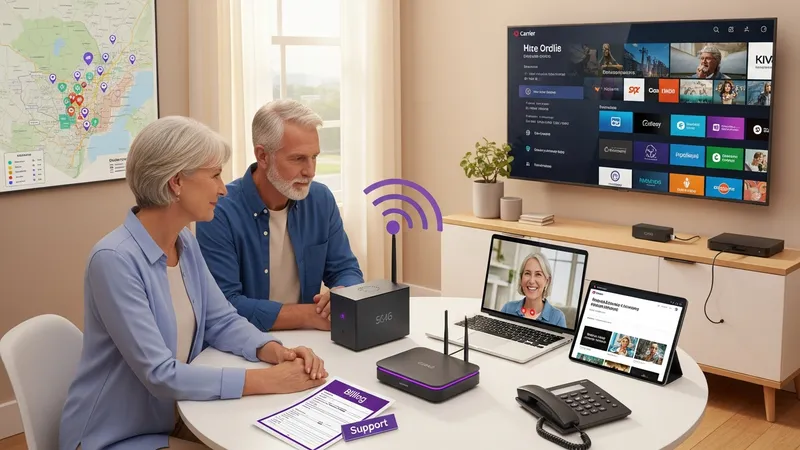
When comparing wireless home internet against other residential options in the United States, cost structure, data policy, and installation model may be distinct. Many wireless residential plans are offered at a single monthly price that may often range in the national market from about $30 to $70 per month, though actual pricing varies by promotion, location, and plan configuration. Some plans include equipment at no upfront cost while others may involve a one-time device fee or monthly equipment charge. Seniors often consider whether a single flat rate and wireless installation reduce complexity compared with wired services that can require onsite technician visits.
Network performance for wireless home internet may be expressed in terms of typical download and upload ranges rather than guarantees; real-world throughput can vary with distance to cell sites, local congestion, and building materials. In many U.S. suburban and urban ZIP codes, wireless gateways using 5G may provide substantially higher peak speeds than earlier technologies, but rural performance may be more variable. Latency and consistent throughput for live video, telehealth consultations, or interactive services can often be affected by peak-hour demand and local network capacity.
Compatibility with television-style viewing usually relies on streaming applications that run on smart TVs or external streaming devices. Seniors and caregivers may prioritize equipment that supports closed captioning, adjustable text sizes, and simple input methods. Additional monthly fees for subscription streaming services are common and are separate from the internet plan; typical streaming subscription ranges in the U.S. market may commonly be around $5 to $20 per month depending on service and tier. Device ecosystems and app availability can influence whether existing television sets are immediately usable.
Customer support practices and accessibility accommodations may be a decisive part of the evaluation for older adults. Many carriers and device manufacturers offer phone support, online chat, knowledge base articles, and simplified billing options that may include paper or large-print statements upon request. Households that value direct human support often check whether technical help for setup and troubleshooting is available during hours that fit their routines, and whether technicians can perform onsite assistance if self-install proves difficult.
Regulatory and low-income assistance programs in the United States may affect eligibility and cost for some households. Programs such as the Affordable Connectivity Program (ACP) provide discounts to qualifying households, and official guidance from the Federal Communications Commission outlines program details and enrollment paths. Seniors considering carrier offerings may find it useful to consult these federal resources as part of an overall affordability assessment. The next sections examine practical components and considerations in more detail.
Plan structures for carrier-provided home internet commonly use a single monthly fee with terms that may include unlimited data subject to network management. Within the U.S. market this model contrasts with metered plans often seen with some wired providers. When assessing pricing, older adults may consider the presence of equipment charges, taxes and fees that appear on monthly bills, and any promotional periods that alter the effective cost. It is typical for advertised plan pages to list base prices but for the total monthly charge to vary by address due to local fees and applicable taxes.
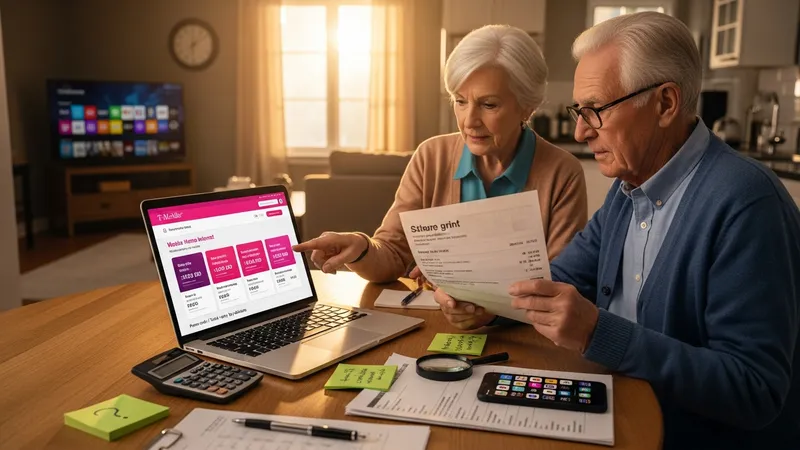
Some households evaluate whether bundled television or streaming packages are offered and how those offerings integrate with the internet plan. Bundles may include access to partner services or promoted streaming apps, but recurring subscription fees for individual streaming platforms are generally billed separately. In the U.S., shoppers can often compare typical monthly ranges across providers, and should interpret any published price ranges cautiously since promotional offers, long-term contracts, and regional differences commonly affect final pricing.
Discount eligibility is another consideration: federal programs such as the Affordable Connectivity Program (ACP) may provide discounts for qualifying households, and some carriers maintain separate low-income assistance programs. Information about program qualifications, application steps, and the way carrier discounts apply is available from official government sources like the Federal Communications Commission (ACP information). Seniors interested in financial assistance may typically verify eligibility before assuming a given monthly cost level.
Billing transparency and payment methods can influence usability for older customers. Many providers permit electronic billing and autopay, while offering paper statements or simplified billing by request. Account management features such as a clear invoice layout, dedicated phone support lines, and the ability to receive billing help from family or authorized agents are practical items to check. These procedural details may often shape how manageable a plan is over time for older adults living independently or with caregivers.
Wireless home gateways rely on the carrier’s 4G LTE or 5G network for backhaul. Coverage maps published by carriers can indicate general availability, but actual performance at a specific address depends on local cell-site proximity, terrain, and building materials. The Federal Communications Commission provides a national broadband map that can be used to compare reported coverage by geography (FCC Broadband Map). Seniors evaluating service should consider a site-specific check such as entering their ZIP code on carrier coverage pages to estimate local signal conditions.
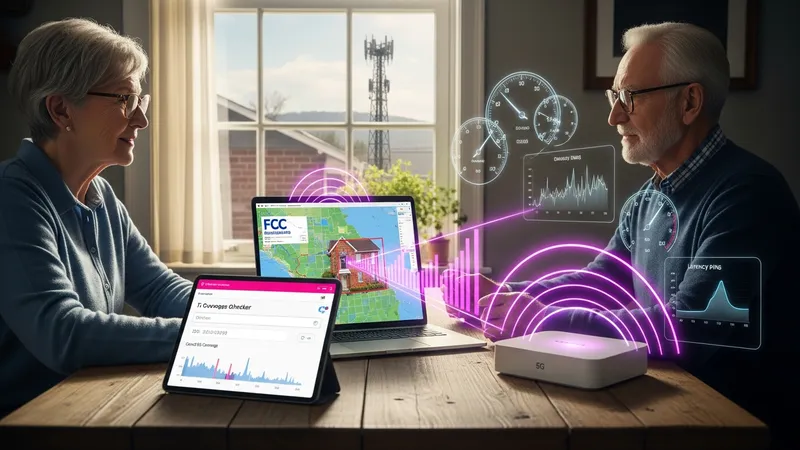
Reported speed ranges for wireless home internet in the U.S. market may commonly span modest to high throughput levels depending on technology generation and local conditions. For example, 5G NR deployments can permit notably higher peak throughput than 4G LTE in many locations, yet actual download and upload speeds may vary from tens to several hundred megabits per second under different conditions. Latency patterns are also relevant for interactive services; lower-latency connections may better support video calls or remote caregiving applications, whereas higher latency may affect responsiveness for some online activities.
Network management and congestion policies may affect performance during peak usage times. Many carriers describe traffic policies that prioritize voice and low-latency traffic or that may deprioritize heavy users in congested cells. For households with multiple simultaneous streams or frequent high-definition video calls, these considerations can affect perceived reliability. When assessing performance, it can be informative to review carrier policy pages and community reports for how the network behaves during busy hours in a given area.
Practical steps for seniors and caregivers may include testing service at the intended location, asking about a trial or return window if available, and checking device placement to maximize signal strength. Using the gateway near a window and avoiding thick concrete walls can often improve reception. Where indoor reception is limited, external antennas or signal boosters for some gateways may provide incremental improvement, though availability and compatibility depend on the specific gateway model and carrier policies.
Television-style viewing on a wireless home internet connection commonly uses streaming apps on smart TVs or external streaming devices. In the United States, households frequently use devices such as Roku, Amazon Fire TV, Apple TV, or smart TVs from manufacturers that run platform-specific interfaces. Each device supports a set of apps and accessibility features; for example, closed captioning and screen magnification are standard options in many ecosystems. Consumers may consult device manufacturers’ official pages for compatibility and feature lists, such as Roku or Apple TV.
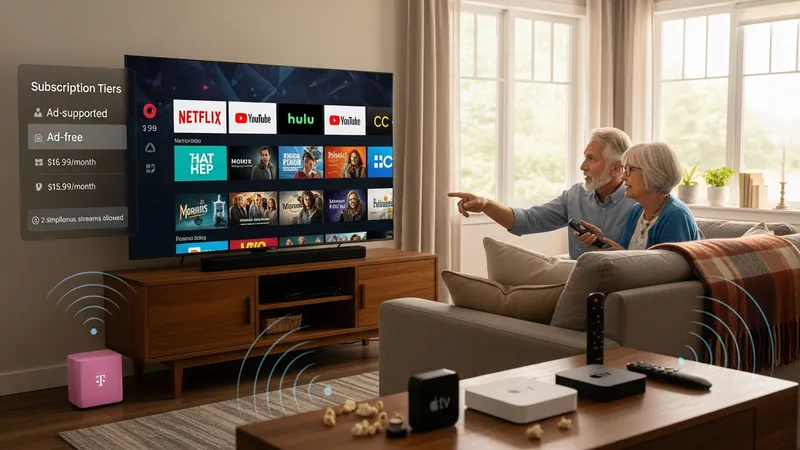
Streaming service subscriptions are typically separate from the internet plan. Many services offer multiple tiers (ad-supported, ad-free, higher-definition streams), and the monthly cost for those tiers in the U.S. market commonly ranges from modest to mid-level amounts depending on the service and features. Seniors considering out-of-pocket recurring costs may factor in subscription choices, the number of simultaneous streams permitted by a service, and whether content libraries meet household viewing preferences.
Equipment provisioning differs across carriers: some include a gateway unit at no upfront cost while others list a one-time charge or monthly equipment fee. External streaming devices may be purchased separately and typically retail at a spectrum of U.S. price points. When integrating a streaming device, compatibility with the carrier-supplied Wi‑Fi network and router settings (for example, guest networks or parental-control settings) is often straightforward but may require basic configuration.
Accessibility and simplicity are frequent priorities for older viewers. Features such as large-font menus, one-button access to favorite apps via remote shortcuts, and well-labeled input switching on the television can reduce friction. Caregivers may set up profiles, parental controls, and caption defaults to streamline the viewing experience. Documentation and step-by-step guides from device makers and carriers can assist in tailoring devices to preferences and needs.
Installation models typically include self-install kits that allow a resident to place the gateway and activate service without a technician, or optional professional installation where available. Self-installation may involve simple steps such as powering the gateway, selecting a Wi‑Fi network name, and entering a password. For older adults who prefer in-person help, it is useful to confirm whether the provider offers technician visits in the local area and whether any fees apply to professional setup.
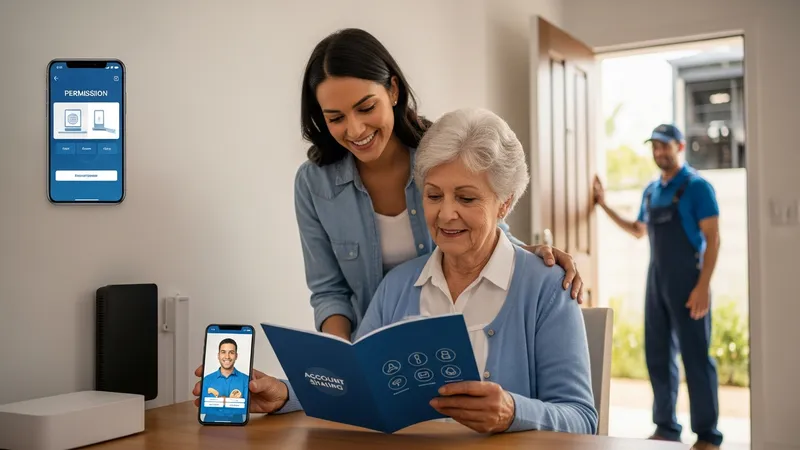
Customer support channels in the United States commonly include phone lines, online chat, email, and help-center articles. Seniors may evaluate availability of telephone-based support and whether staff are coached to assist with accessibility accommodations like larger-print instructions or stepwise troubleshooting. Authorizing family members or caregivers to manage an account is another practical consideration; many providers permit account delegation or shared access with appropriate account-holder permissions.
Accessibility features relevant to television and internet use often include closed captioning, screen magnification, simplified remote controls, and compatibility with assistive technologies. Smart TVs and streaming platforms typically implement standard accessibility settings; device manuals and system settings pages detail these options. When assessing a service, households may review whether typical devices used at home support the accessibility features they require and whether prompt support is available to activate them.
Eligibility for federal assistance programs can affect affordability for some seniors. The Affordable Connectivity Program (ACP) provides a discount on broadband service for qualifying households, and enrollment information is maintained by the Federal Communications Commission (ACP information). Seniors considering carrier offers may investigate program eligibility, required documentation, and how a carrier applies any eligible discounts to monthly billing. Reviewing these administrative details may often reduce uncertainty about out-of-pocket cost over time.