
Services described by the title refer to how a national wireless carrier’s home internet offering and commonly paired television access methods can be presented for older adults. The concept covers the technical and service elements that matter to seniors: the nature of wireless home internet (often delivered via 4G/5G gateways or fixed wireless radios), ways television content is received (built-in smart-TV apps, external streaming devices, or traditional set-top arrangements), and the practical considerations such as ease of setup, ongoing reliability, and account support options. The focus is informational: explaining components and how they interact rather than urging any decision.
Key aspects include variable network speeds, in-home Wi‑Fi performance, device compatibility for streaming, and equipment provisioning (rental vs. customer-owned). For older adults these aspects often translate into priorities like clear labeling of devices, simplified remote controls, consistent closed captioning, and predictable billing structures. Network coverage and congestion can affect peak performance, and many providers may offer different hardware configurations that change installation complexity. Accessibility features and customer support methods commonly influence perceived suitability for senior households.
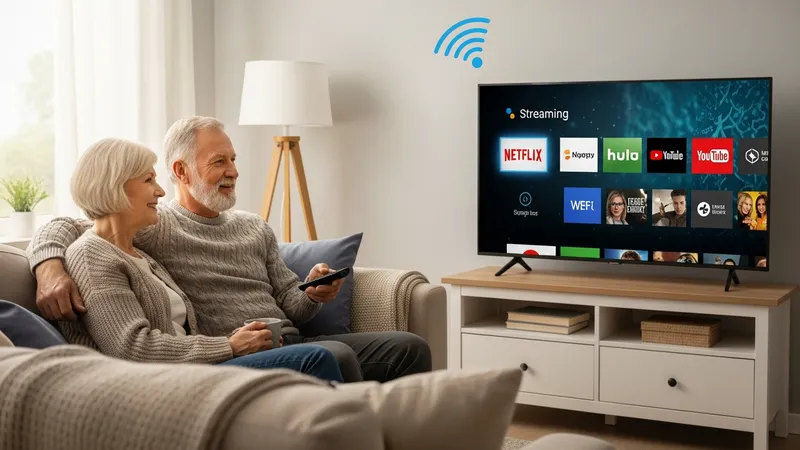
Wireless home gateways may often be delivered preconfigured for basic operation and can typically support multiple devices in a small household. For seniors, the gateway’s placement and default Wi‑Fi name/password practices can make a substantial difference in initial usability. A gateway’s advertised speeds may not reflect real-world throughput in every home because of signal strength and local network congestion. When the television is supplied via smart-TV apps or an external device, the experience can depend as much on the TV interface and app layout as on the raw internet connection.
Streaming methods vary in complexity and accessibility. Smart-TV apps can reduce the number of devices on a shelf but may present app updates and navigation that change the user interface over time. External streaming devices often standardize the interface across multiple televisions, which may help households that prefer uniform controls. Hybrid setups that use wired Ethernet to a streaming device can reduce buffering when wireless signal strength is inconsistent. Seniors and caregivers frequently focus on remote design, font sizes, and captioning when evaluating compatibility.
Pricing and equipment arrangements commonly include monthly service fees and optional equipment rental or purchase. Pricing structures may have data policies or network management practices that affect sustained performance during busy hours. For some customers, paying for optional professional installation can simplify setup, while others find self-installation manuals and preconfigured hardware adequate. When comparing offerings, evaluations often include the predictability of monthly charges, any early-termination considerations, and whether optional protections or accessory purchases are needed.
Customer support and accessibility features are often deciding factors for older adults. Support channels may include phone lines, online chat, in-store help, and community technician visits; response times and phone menu complexity can shape satisfaction. Many providers may offer accessibility settings like larger text, voice control compatibility, and dedicated device guides. It can be helpful to verify whether a provider’s normal support hours, language options, or in-home assistance align with a senior household’s needs, as these elements can influence the practical usefulness of an internet-and-TV combination.
In summary, the concept describes how a wireless-carrier-based home internet service and paired television access methods can be evaluated for older adult users by considering gateways, streaming device choices, installation complexity, and ongoing support. Each of the examples above can be weighed by factors such as interface simplicity, network behavior, and equipment arrangements. The next sections examine practical components and considerations in more detail.
Plan features relevant to older adults often include the type of connection (fixed wireless, cellular gateway), monthly billing structure, and any data or usage policies that may apply. Plans may offer flat-rate monthly pricing or tiers based on speed or data allowances; these models can result in different expectations for cost and performance. Seniors may favor plans that typically provide straightforward billing statements and minimal variable charges. Additional considerations can include whether equipment fees are rolled into the monthly price, any trial or return policies, and transparency about potential speed variability during peak periods.
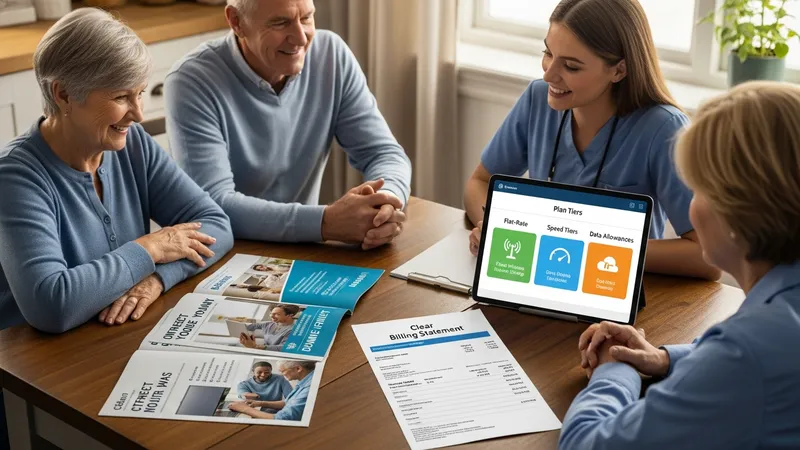
When assessing costs, it is useful to consider typical household usage patterns: streaming a few programs each day, video calling with family, or light browsing. These patterns can influence the sensible speed tier and whether extra capacity is needed to avoid buffering. Some providers may offer optional add-ons for enhanced Wi‑Fi or priority technical support; such options may carry additional fees and should be evaluated for value rather than assumed necessary. Seniors and caregivers often benefit from clear explanations of what is included in each plan to avoid unexpected charges.
Contract terms and cancellation policies may also be significant. Some plans can be month-to-month while others may involve promotional pricing for a fixed period or require device financing. In either case, customers should often review how pricing may change after any promotional period ends and whether any credits or fees are time-limited. For households concerned about changing needs, flexible arrangements that do not impose long-term penalties may be preferable, but availability varies by provider and region.
Billing communication methods matter in practice: paper statements, email summaries, or web portals each have different accessibility implications. Seniors who prefer physical mail or large-print invoices may need to verify that those options are available. Likewise, automatic payment methods can reduce missed payments but may require assistance during setup. Evaluating plan features with consideration for the household’s preferred communication channels may improve the overall experience with a combined internet-and-television service.
Connectivity typically centers on the gateway device that translates a carrier’s radio signal into a household network. Gateways often include integrated Wi‑Fi and Ethernet ports; for seniors, the physical design, port labeling, and default setup process can influence usability. Positioning the gateway in an open, central location may improve signal distribution, and when signal strength is weak, in-home extenders or a wired Ethernet run to the television can stabilize streams. Gateways may also support guest networks and basic parental controls, which can help manage device access without complex configuration.
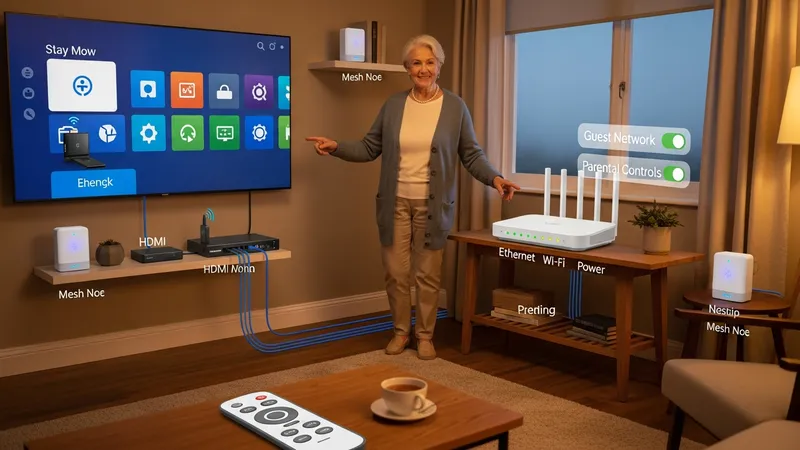
Equipment choices may include provider-supplied gateways, customer-owned routers, or small local switches to distribute wired connections. Using a wired connection from gateway to television or streaming device can reduce variability compared with Wi‑Fi, particularly in larger homes. For those using multiple rooms, mesh Wi‑Fi systems may be an option to extend consistent coverage, though they can require more setup. When an external streaming device is used, it may be easier to standardize remote controls across televisions, while built-in smart-TV interfaces reduce the number of items to manage on a shelf.
Installation complexity ranges from plug-and-play self-install kits to professional visits. Preconfigured equipment can often simplify a self-installation process: powering the gateway, plugging in a single cable, and following on-screen prompts. Professional installers can help when wiring or device placement is needed, or when accessibility accommodations are required. Seniors may prefer arrangements that minimize repetitive setup steps and use straightforward labeling and printed instructions to aid future troubleshooting.
Maintenance and updates are also relevant: provider-supplied gateways commonly receive automatic firmware updates that can improve performance or security but may change settings unexpectedly. External devices may prompt periodic app updates or firmware upgrades that affect the user interface. For older adults, documentation about update schedules and simple procedures for restarting devices can be especially helpful, along with clear guidance for caregivers on common troubleshooting steps such as power cycling a gateway or checking LED indicators.
Television access with a wireless-carrier internet service often relies on streaming platforms rather than legacy broadcast cable. Smart TVs with native apps may allow direct access to live and on-demand content, while external streaming devices can supply a uniform interface across multiple sets. For seniors, navigation simplicity is important: larger fonts, predictable menu layouts, and dedicated buttons on remotes for closed captions or picture controls can enhance usability. Where live television is important, some streaming services provide linear channel-style experiences that simulate traditional channel surfing.
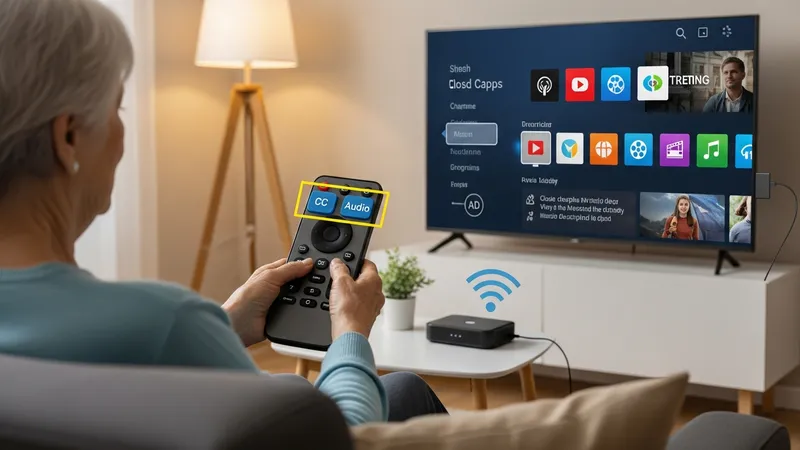
Closed captioning, audio description, and adjustable playback speed are accessibility features that many streaming apps and devices support. Confirming whether a preferred app consistently offers captions or descriptive audio may be useful before relying entirely on streaming-based television access. Also, streaming quality depends on both the internet plan and the device’s decoder capabilities; older televisions may require an external device to achieve higher resolution or more modern codec support for certain services.
Remote control ergonomics and voice control interfaces can reduce friction for seniors who have limited dexterity or vision challenges. Voice assistants built into some devices may allow basic navigation and search without complex button presses. However, voice recognition quality can vary by environment and device; testing in the home setting often clarifies whether voice features materially improve ease of use for the individual. Physical remotes with larger, high-contrast buttons remain a common preference for users who want tactile feedback.
Content discovery tools and app organization affect day-to-day usability. Some platforms present aggregated recommendations, while others require switching between apps to find content. For households prioritizing simplicity, configuring a small, consistent set of frequently used apps on the home screen and increasing text size where possible may reduce confusion. Caregivers can assist by creating written shortcuts or labeling streaming devices and ports so that routine tasks like starting a favorite program become easier.
Support channels and installation options influence long-term satisfaction. Providers commonly offer phone, chat, and in-person support; seniors may favor phone support with a clear menu structure and options for escalation to a human agent. Installation choices—self-install kits, remote-guided setup, or technician visits—vary in cost and convenience. When accessibility needs exist, some providers may offer in-home assistance or partnerships with local community organizations; availability and terms differ by region and should be confirmed as a factual check rather than assumed.
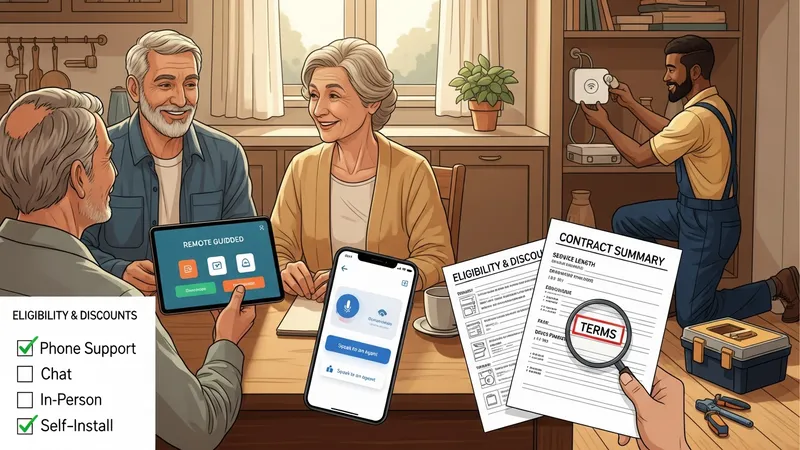
Eligibility items to consider can include whether the service requires a specific address for coverage checks, documentation for certain social programs if discounts apply, or minimum hardware requirements for streaming. Contractual terms such as service length, early-exit fees, and device-financing arrangements can affect suitability for a senior household. Reading the plain-language summary of terms and verifying how changes in service or billing will be communicated may reduce surprises later.
Privacy and security practices are practical considerations: ensuring Wi‑Fi networks are secured with strong passwords, enabling automatic updates when appropriate, and understanding what personal data a provider collects are all relevant. Some providers may offer dedicated support resources that explain privacy choices and security basics in accessible formats. For caregivers, establishing a clear process for managing account credentials and recovery options can help maintain continuity of service over time.
Long-term maintenance and local support networks can matter when evaluating an internet-and-television arrangement. Community technology workshops, library assistance, or local senior centers sometimes provide device-help sessions that complement a provider’s official support. Documenting device locations, labeled cables, and a short troubleshooting checklist may help households manage routine issues without frequent external assistance. These considerations aim to make the combined service more predictable and manageable for older adults and those who assist them.